Zuhause

Schloss Miramare

Es lief nicht so gut. 1864 übernahm er den mexikanischen Thron – eine seltsame Wahl, vielleicht unvermeidlich – und wurde nicht lange danach hingerichtet. Charlotte erfuhr die Nachricht und erholte sich nie wieder. Jahrzehntelang lebte sie abgeschottet, zerrissen zwischen dieser Welt und der, die sie nicht loslassen konnte. So änderte das Schloss seine Bedeutung. Es wirkt noch immer prächtig, aber es fühlt sich – anders an. Als wüsste die Luft zu viel.

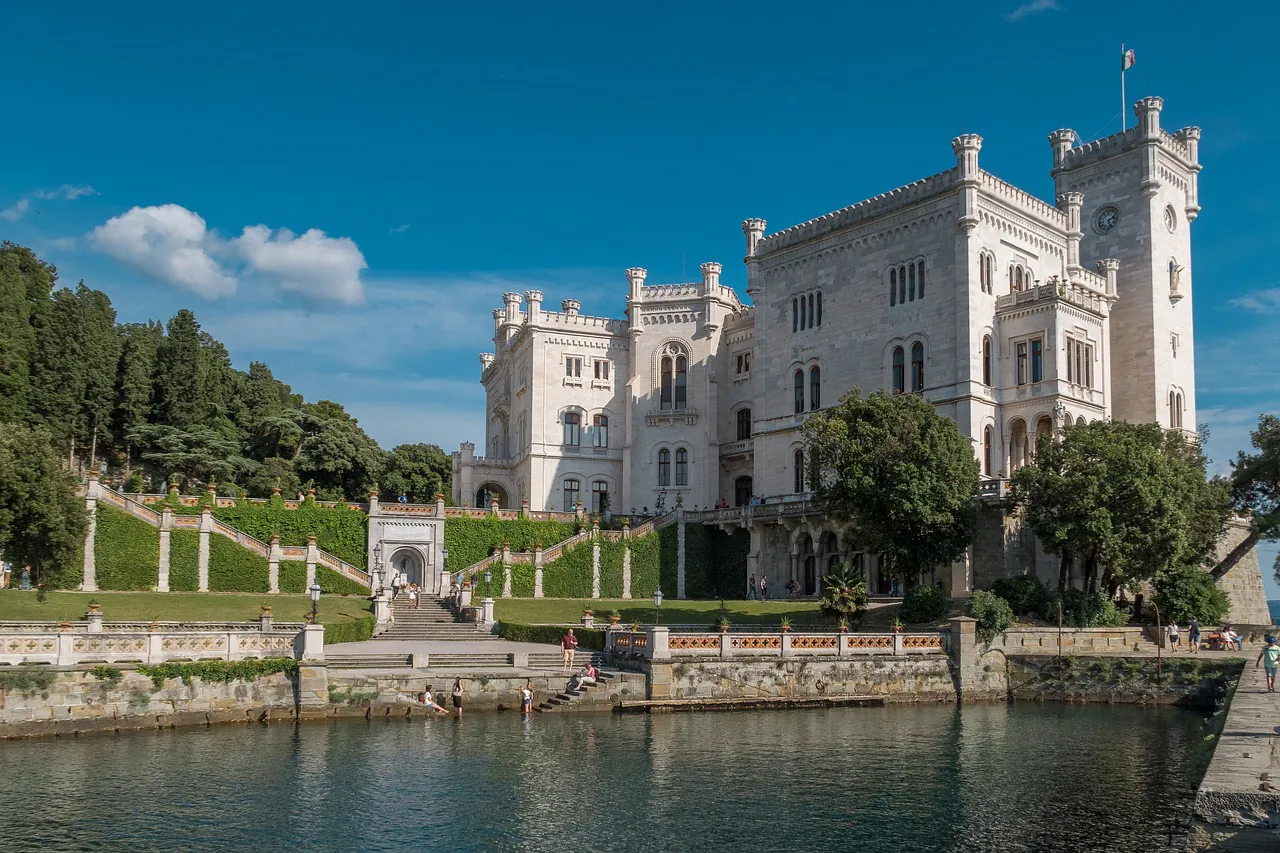
Miramare Castle facade view from the Gulf of Trieste

Die Historischen Küchen sind wieder geöffnet. Im Keller, nahe dem kleinen Hafen, sind die alten Öfen und Kupferkessel nach der Restaurierung zurück. Der Raum riecht nach Salzwasser und Stein.

Die Arbeiten beginnen in der Woche vom 20. Oktober. Ein Gerüst wird um drei Holzstatuen an der Nordseite der Großen Treppe errichtet – Fackel tragende Pagen, die vor Jahrhunderten geschnitzt wurden. Die Arbeiten finden morgens statt, außer am Mittwoch, dem 22., wenn dieser Bereich nicht zugänglich ist.

Die eigentliche Restaurierung beginnt am 27. Oktober und dauert bis November. Das Personal wird Besucher um die Baustelle herumleiten. Sobald eine Statue fertig ist, wird das Gerüst abgebaut.

Für Besucher ist das nicht ideal, aber es sollte keine größeren Störungen verursachen. Die Statuen brauchen Aufmerksamkeit, und so wird es gemacht.

FAQ

u003cstrongu003eWhere is Miramare Castle?u003c/strongu003e

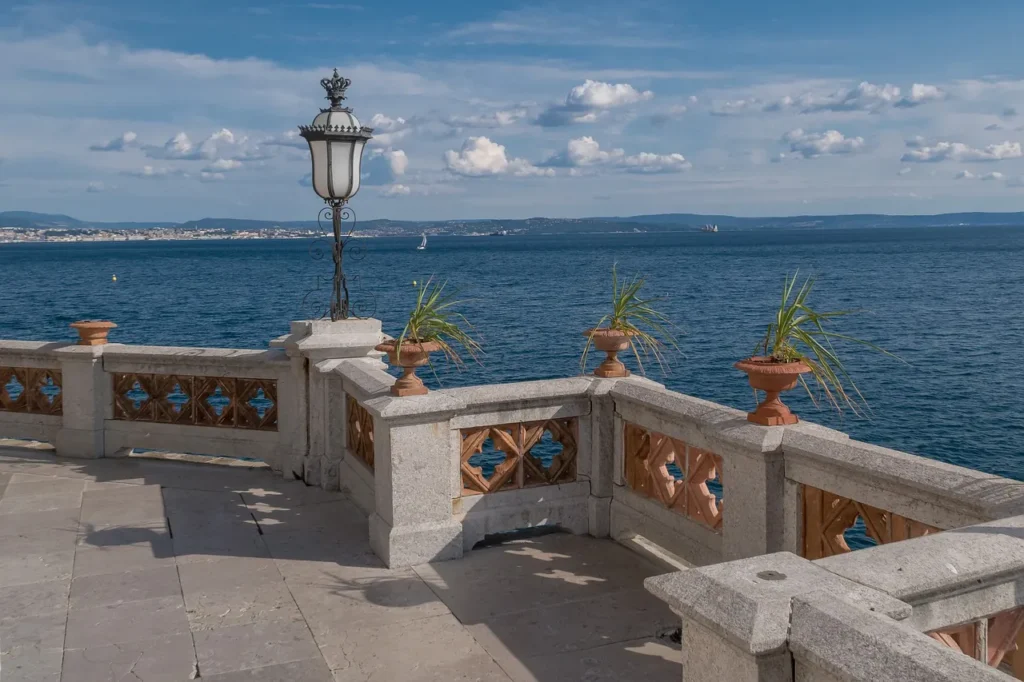
Miramare Castle sits on the promontory of Grignano, about 8 kilometers northwest of Trieste’s city center in northeastern Italy, right on the Gulf of Trieste. If you’re coming from the city center, you can take bus 6 heading to Miramare, get off at Grignano, and walk about 15 minutes through an underpass to reach the seaside path that leads to the castle. The location’s right there on the Adriatic, so you get the sea views Archduke Maximilian wanted—pretty much impossible to miss once you’re in the area.

u003cstrongu003eHow to Spell Miramareu003c/strongu003e?

It’s Miramare (not u0022Mira Mareu0022 or u0022Mira-Maru0022): one word. In Italian, it’s Castello di Miramare. The name actually comes from the Spanish phrase mirar el mar, which means u0022to look at the seau0022 so that basically tells you what Maximilian had in mind for the location.

u003cstrongu003eWhat is Miramare Castle Made Of?u003c/strongu003e

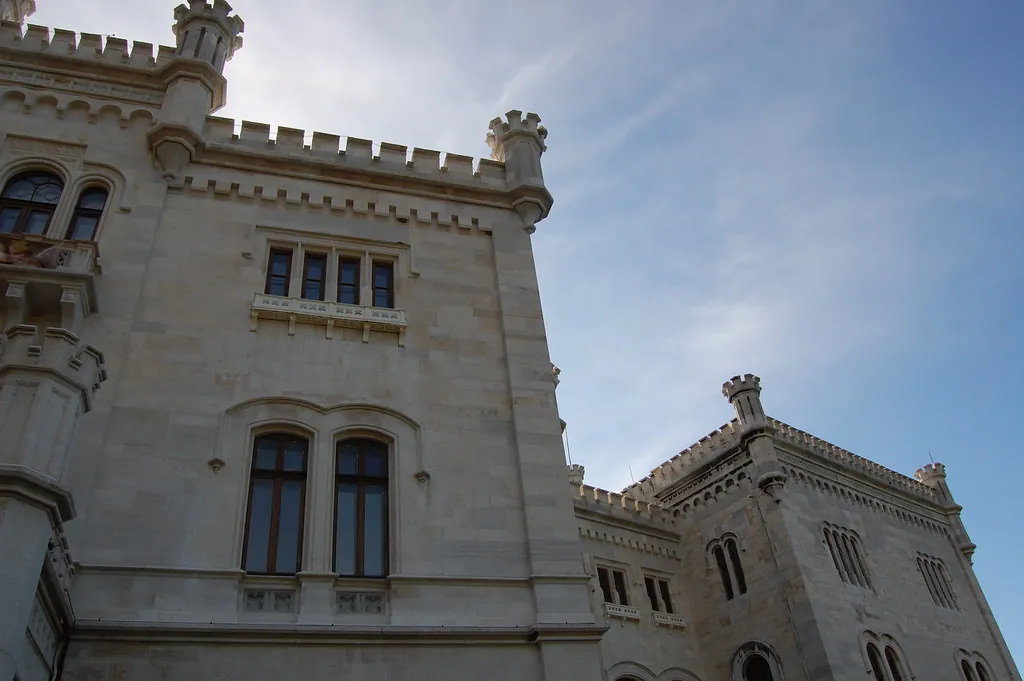
The castle is built from white Istrian limestone, which gives it that striking, elegant appearance that stands out against the sea and sky. Istrian stone comes from the region and was popular for construction because it’s durable and has that warm, luminous quality. The architectural details, including windows and roofs, used copper and brass for accents. So basically, it’s a solid stone structure meant to look impressive and last, not some decorative plaster facade.

u003cstrongu003eWho Was the Architect for Miramare Castle?u003c/strongu003e

Carl Junker (also listed as Karl Junker in some sources), an Austrian architect and engineer based in Vienna, designed the castle starting in 1856. Junker didn’t just hand over plans and disappear—he was involved in designing the 22-hectare park as well. The castle’s eclectic style blends Gothic, medieval, and Renaissance elements, which was on trend for the time but also reflected Maximilian’s own tastes and travels. Junker basically translated the Archduke’s vision into actual stone and mortar, and it took about four years to get the exterior done (1856-1860), though the interiors took longer.

u003cstrongu003eWhat’s inside Miramare Castle?u003c/strongu003e

People want to know what they’ll actually see—the 20+ rooms, the original furnishings, Maximilian’s bedroom designed like a ship’s cabin, the Throne Room, and how it’s all decorated. Read more on u003ca href=u0022https://miramarecastle.com/inside-miramare-castle/u0022 data-type=u0022pageu0022 data-id=u002274u0022u003eInside pageu003c/au003e.

u003cstrongu003eAre there any legends or ghost stories about Miramare Castle?u003c/strongu003e

The u0022curse of Miramareu0022 legend is fascinating to visitors—the idea that anyone who stayed there met a tragic end (Maximilian was executed, and later resident Duke Amadeo of Aosta died in captivity). People eat this stuff up.

u003cstrongu003eWhat’s the park like at Miramare?u003c/strongu003e

The botanical gardens are huge (22 hectares) and feature exotic plants Maximilian collected from his travels. Visitors want to know if it’s worth exploring beyond the castle itself. Read more on u003ca href=u0022https://miramarecastle.com/garden/u0022 data-type=u0022pageu0022 data-id=u002287u0022u003eGarden pageu003c/au003e.

u003cstrongu003eIs the castle wheelchair accessible?u003c/strongu003e

Yes, Miramare Castle in Trieste is largely wheelchair accessible, with ramps, a dedicated lift for the upper floors (they even lend out a courtesy wheelchair if needed), and paved paths in the park and gardens. You can drive right up to the entrance if you call ahead via the gate intercom, and free parking spots are reserved for disabled visitors. Just note that the elevator is a bit compact, and some outdoor spots might feel uneven due to the cliffside terrain.

u003cstrongu003eWhat’s the difference between the main castle and the Castelletto?u003c/strongu003e

The Castelletto is the smaller guest house on the grounds—visitors often wonder why there are two structures and what the history of the smaller one is.